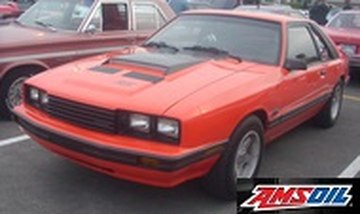
Lubrication Maintenance for the 1982 Mercury CAPRI 3.3L
Maintaining a vehicle from the early 1980s requires a shift in perspective compared to modern automotive care. For owners of a 1982 Mercury CAPRI equipped with the 3.3L engine, routine lubrication management is a cornerstone of long-term mechanical health. Because older engines often operate under different thermal and mechanical stresses than contemporary designs, staying proactive with fluid inspections and quality control is essential.
Monitoring Fluid Integrity and Potential Leaks
One of the most effective ways to monitor the health of the 3.3L engine is through regular visual inspections of the engine bay and undercarriage. Over time, various seals and gaskets may undergo changes in elasticity due to heat cycles and age. It is useful to look for signs of fluid seepage or active leaks around the engine block and sealing surfaces.
When performing a routine inspection, consider the following:
- Surface Seepage: Look for oily residue or "wet" areas on the engine exterior that might indicate a slow seep from a gasket.
- Puddle Identification: Check the ground beneath the vehicle after it has been parked for an extended period to identify any dripping fluids.
- Fluid Color and Texture: If you are checking the oil level, observe the appearance of the lubricant. While color can change based on use, extremely dark or gritty textures may warrant further investigation into the engine's internal cleanliness.
If you notice a significant change in fluid levels or see fresh pooling under the vehicle, these symptoms should be investigated promptly. Note that many different components can cause fluid loss, so identifying the exact source is a necessary step in any repair process.
Managing Engine Lubrication Over Time
The engine oil in a 1982 Mercury CAPRI performs several vital roles, including reducing friction between moving parts and assisting in heat management. As an engine ages, the quality of the lubricant becomes even more critical for maintaining consistent performance. Contaminants can accumulate in the oil over time, which may lead to the formation of deposits if the fluid is not changed according to a regular schedule.
For vehicles with higher mileage or older designs, some owners choose to explore different oil formulations. For example, certain high-mileage oil formulations contain additives intended for use in aging engines. These specialized lubricants may include seal-conditioning additives designed to help maintain the integrity of various engine seals. While these are not a substitute for mechanical repairs if a leak is already present, they can be a part of a proactive maintenance strategy.
Regardless of the formulation chosen, ensuring that the oil remains free of excessive contaminants is key. Regular changes help prevent the buildup of sludge and other deposits that can interfere with the smooth operation of engine components.
Establishing a Maintenance Baseline
For many owners of a 1982 Mercury CAPRI, the vehicle's service history may not be fully documented. When the previous maintenance records are incomplete or unavailable, the first priority should be establishing a maintenance baseline. This involves performing a comprehensive inspection to determine the current state of all vital systems.
Start by reviewing any available receipts or notes regarding past repairs. If no history exists, treat the vehicle as if it requires immediate attention to its most critical service items. This might include checking the condition of all fluids, inspecting the air filtration system, and examining accessible belts, if equipped. By documenting the current condition of the engine and its accessories, you create a reference point that makes it much easier to identify future changes or emerging issues.
Once this baseline is established, you can transition from reactive repairs to a more organized, preventive approach. Keeping a dedicated log of every oil change, filter replacement, and inspection will provide invaluable data for the long-term ownership of the vehicle.
Observing Potential Warning Signs
While regular inspections are the best defense, being attentive to how the engine behaves during operation can provide early warnings of potential issues. It is important to remember that many symptoms can have multiple causes and do not always point to a single failed component.
Keep an eye out for the following:
- Changes in Lubricant Consumption: If you find yourself needing to add oil more frequently than before, this warrants an inspection of the engine's seals and internal components.
- Unusual Noises: Any new mechanical sounds during startup or while idling should be investigated to ensure all lubricated surfaces are receiving adequate coverage.
- Exhaust Observations: While exhaust color can vary based on many factors, certain changes in smoke appearance may indicate that oil is entering the combustion process.
- Warning Indicators: If your vehicle is equipped with any dashboard indicators related to fluid levels or pressure, do not ignore them. These signals require immediate investigation.
By treating these signs as prompts for inspection rather than definitive diagnoses, you can address potential problems before they escalate into more significant mechanical failures.
Prioritizing Long-Term Engine Care
As a 1982 Mercury CAPRI ages, maintenance priorities may shift. Rather than following a generic checklist, effective owners prioritize tasks based on the actual condition of their specific vehicle. This means distinguishing between necessary preventive maintenance and unnecessary parts replacement.
If you are managing an older engine, focus your efforts on addressing active leaks or signs of fluid degradation first. Monitoring changes in how the engine consumes oil or how the fluids appear during service is a highly effective way to manage aging components. If you notice that certain hoses or electrical connections show signs of deterioration, these should be addressed as part of your routine service to prevent secondary issues.
Consistent record-keeping remains one of the most important tools for long-term ownership. Knowing exactly when the last oil change occurred or when a specific belt was inspected allows you to make informed decisions about what needs attention and what can wait, ensuring that maintenance efforts are both efficient and effective.
Practical Advice for Buying Engine Oil for your 1982 Mercury CAPRI 3.3L
When it is time to replenish your engine's lubrication, the most important step is to match the oil to the application-specific information provided on this page. Because different engines have specific needs regarding viscosity and additive packages, you should always consult the technical data displayed in the application section of this webpage before making a purchase.
When selecting a product, consider the following practical steps:
- Verify the Label: Always check the product packaging to ensure it meets the necessary quality standards and certifications.
- Evaluate Formulations: Depending on your engine's current condition and mileage, you may choose between conventional, synthetic blends, or full synthetic oils. If the engine shows signs of age, you might also consider high-mileage formulations that include seal-conditioning additives.
- Avoid Assumptions: Do not rely on general knowledge about 1980s vehicles to select a grade. Instead, use the specific viscosity information listed in the application details above to ensure compatibility with your 3.3L engine.
By following the specific guidance provided in the vehicle's data record, you can ensure that you are providing the correct level of protection for your Mercury CAPRI.